Welcome To Kentucky Radon Mitigation
Serving Kentucky Homes with Radon Solutions
Certified radon testing and mitigation services in Kentucky to keep your home and family safe from dangerous radon gas.
About Kentucky Radon Mitigation
Kentucky Radon Mitigation specializes exclusively in radon testing and radon mitigation. That focus enables us to deliver accurate results, effective systems, and straightforward guidance, free from distractions and unnecessary services. For any questions or guidance regarding our health and safety services, please reach out to our expert team committed to ensuring your well-being. We are available to assist you with prompt and reliable information tailored to your specific needs.
Focused Radon Specialists
Unlike companies that offer radon testing as a side service, we’ve built our business around providing thorough, certified radon solutions for Kentucky homeowners.
When radon is your only focus, the results are better.
- Dedicated radon testing and mitigation services
- EPA and industry-aligned testing protocols
- Custom-designed mitigation systems based on structure and soil conditions
- Clear communication before, during, and after service
- Local Kentucky knowledge and experience
What Services Do We Offer?

RADON TESTING
Professional short-term and real estate radon testing with precise placement and controlled conditions.
RADON MITIGATION
Permanent radon reduction systems designed for long-term performance and minimal visual impact.
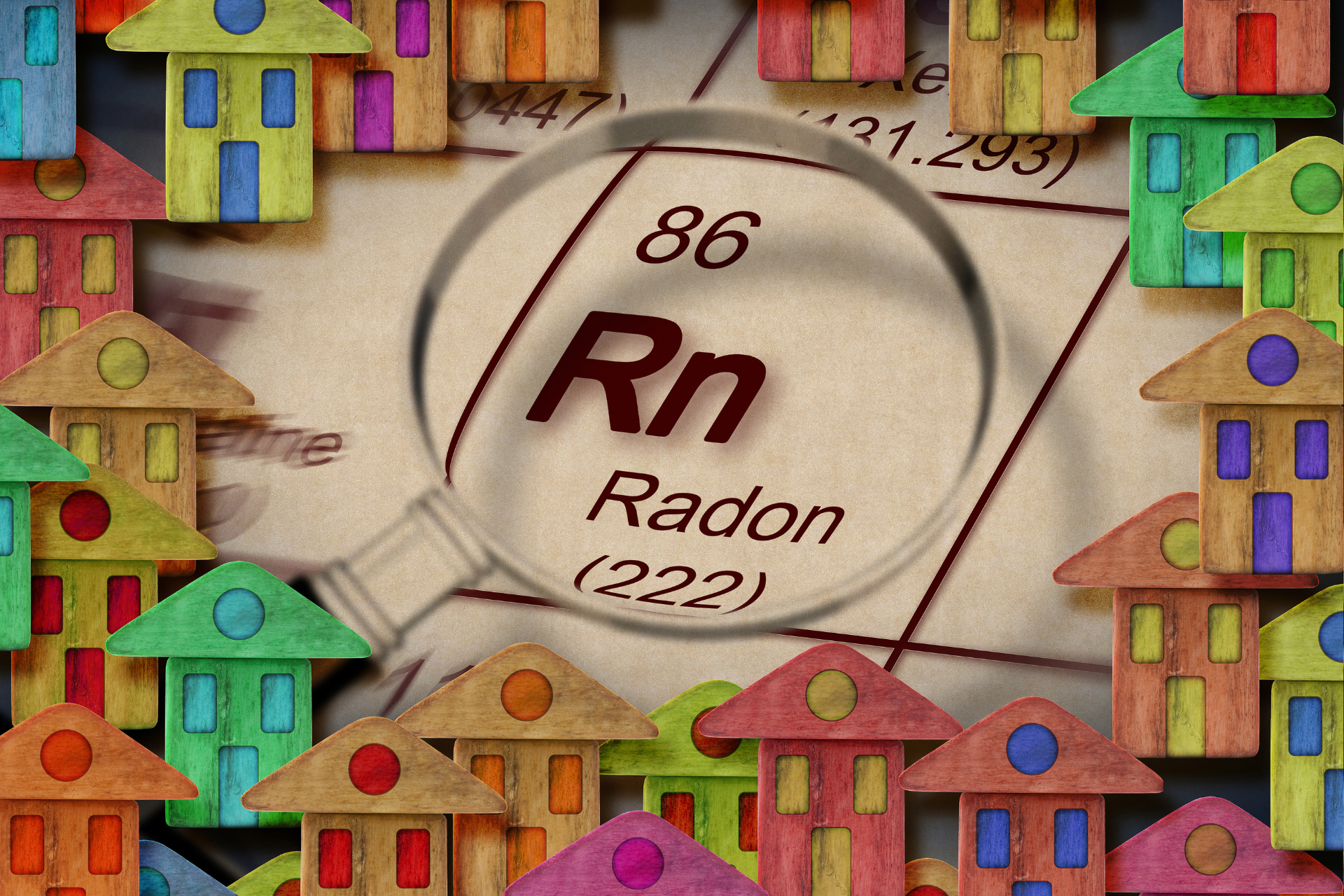
RESIDENTIAL AND COMMERCIAL SERVICES
From single-family homes to multi-unit and commercial properties.
What is Radon Testing?
Radon testing measures the level of radon gas inside a home or building. Because radon cannot be seen or smelled, testing is the only way to know whether levels are elevated.
We follow strict testing protocols to ensure reliable, defensible results that homeowners and real estate professionals can trust.
When You Should Test
- Buying or selling a home
- After renovations or foundation work
- When moving into a new home
- If you have never tested before
- If it has been more than two years since your last test
Kentucky homes at any age and price point can have elevated radon level
Our Testing Process
Proper device placement based on building layout
- Controlled test conditions explained clearly to occupants
- Minimum 48-hour testing period
- Laboratory analysis or digital device verification
- Clear report with results and next steps
We explain what your results mean in plain language, without pressure.
Understanding Results
Radon is measured in picocuries per liter of air.
- Below 2.0 pCi/L: Low risk
- 2.0 to 3.9 pCi/L: Moderate risk, mitigation recommended
- 4.0 pCi/L and above: EPA recommends mitigation
If mitigation is needed, we walk you through the options.

Renee M.
✭✭✭✭✭
Communication was top-notch and the final outcome was even better than we imagined. A great experience all around.”
Trusting KRM
- Kentucky-based company
- Serving homeowners, buyers, sellers, and professionals statewide
- Systems designed to meet or exceed EPA recommendations
- Constantly training and utilizing state of the art equipment and monitors
- 10 years of experience in Radon Mitigation systems
- Clear reporting and honest recommendations
- NRPP Certified National Radon Proficiency Program
Radon Mitigation
Radon mitigation systems reduce radon levels by venting radon gas safely from beneath the structure to the exterior atmosphere. A properly designed system can reduce radon levels by up to 99 percent.
Our Mitigation Approach
No two homes are the same. We design systems based on:
- Foundation type
- Soil conditions
- Building layout
- Existing mechanical systems
- Aesthetic considerations
Every system is installed to be effective, durable, and as unobtrusive as possible.
Common Mitigation Methods
- Sub-slab depressurization
- Crawlspace encapsulation and venting
- Exterior and interior vent routing
- High-quality radon-rated fans
All systems are installed to meet or exceed EPA guidance.
After Mitigation
- Post-mitigation radon testing
- System explanation and maintenance guidance
- Long-term performance expectations
Our goal is lasting results, not temporary fixes.
Frequently Asked Questions
FAQs
Why is radon testing important in Kentucky homes?
Radon testing is important because many homes in Kentucky have elevated radon levels due to the area’s soil and geology. Radon is a colorless and odorless gas that can increase the risk of lung cancer over time. Testing is the only way to know if your home has unsafe radon levels.
How often should a home be tested for radon?
Homes should typically be tested every two years or after major renovations, foundation repairs, or changes to the HVAC system. It is also recommended to test when buying or selling a home to ensure indoor air quality is safe for occupants.
What radon level requires mitigation?
The EPA recommends radon mitigation when levels reach 4.0 pCi/L or higher. However, many homeowners choose mitigation at levels between 2.0 and 3.9 pCi/L to further reduce long-term health risks and improve indoor air quality.
How does a radon mitigation system work?
A radon mitigation system works by venting radon gas from beneath the home to the outside before it can enter indoor living spaces. Common methods include sub-slab depressurization, crawlspace venting, and radon-rated fan systems designed for long-term performance.
Can newer homes in Kentucky still have high radon levels?
Yes, both new and older homes in Kentucky can have elevated radon levels. Factors such as soil composition, foundation type, and airflow can affect radon buildup regardless of the home’s age, size, or price point.
Latest Blog Post